
When comparing single belts and banded belts, equipment load isn’t the only factor worth considering. Operating conditions can have a significant impact on belt performance and service life.
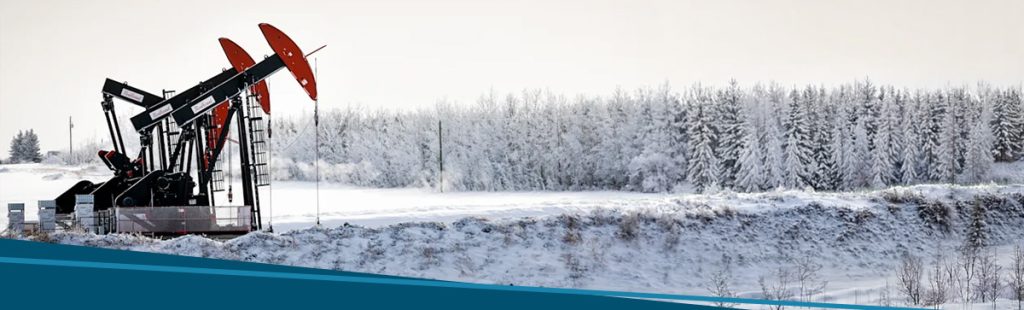
Temperature, vibration, dust, moisture, rain, snow, ice, and debris all influence how a belt drive performs over time.
One common concern in the field is belt slippage. Whether caused by moisture, improper tension, worn components, or changing operating conditions, slipping creates friction—and friction creates heat.
Heat is often a major contributor to premature belt wear because it can reduce efficiency, accelerate rubber degradation, and shorten overall belt life.
That’s why environmental conditions should always be part of the belt selection process, especially for equipment operating outdoors year-round.
Single Belts: Flexible and Practical
Single belts remain one of the most common solutions across industrial applications.
They are:
- Easy to install and replace
- Cost-effective
- Widely available
- Well-suited to many standard operating conditions
In colder climates, they can offer another practical advantage. Snow, slush, ice, and debris can often pass between individual belts rather than accumulating across the entire drive.
For operators dealing with extreme winter weather, that can help simplify inspections and reduce buildup concerns.
Banded Belts: Built for Stability
Banded belts connect multiple belts into a single reinforced unit.
Instead of individual belts operating independently, the entire set works together as a single system.
Benefits include:
- Improved load sharing
- Greater stability
- Reduced vibration
- Less belt whip
- Better resistance to shock loading
- Longer life in demanding applications
Where equipment experiences significant vibration, pulsating loads, heavy torque, or frequent starts and stops, banded belts often outperform single belts.
Wet Conditions and Banded Belts
While banded belts provide excellent stability under heavy loads, environmental conditions should still be considered.
In rainy, snowy, or icy environments, moisture and debris can accumulate differently than on a multiple-belt drive. Every application is unique, which is why operating conditions should be evaluated alongside equipment requirements.
The conversation shouldn’t simply be about whether a banded belt is “better” than a single belt.
The real question is:
Which belt is better for your environment and operating conditions?
Choosing the Right Belt for the Job
As a general rule:
Single Belts
- Cost-effective for many applications
- Easier replacement
- Helpful in environments where snow and debris accumulation are concerns
Banded Belts
- Ideal for higher loads
- Better load distribution
- Reduced vibration
- Greater stability in demanding operating conditions
Neither option is universally better.
The right choice depends on load requirements, environmental conditions, maintenance objectives, and equipment design.
The operators who get the most life from their equipment are usually the ones who evaluate all of those factors before making a decision.
Because in the end, reliability isn’t determined by the most expensive belt.
It’s determined by choosing the belt that’s best suited for the job.